
Measuring Our Impact
Ethos Eco’s Impact Assessment
Ethos Eco measures the effectiveness of its solutions using Sustainability Metrics, ensuring real-world benefits
Waste Processed
ing the amount of waste managed and recycled
Materials Recovered
Quantifying valuable resources extracted from waste
CO₂ Reductions
Measuring emissions prevented through sustainable practices
Energy Savings
Comparing resource recovery efficiency versus primary material extraction.
By applying quantitative data, we showcase the tangible impact of our operations, driving measurable environmental and economic benefits.
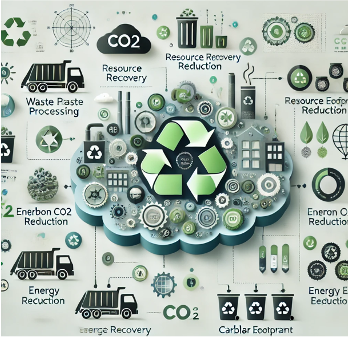
Understanding CO₂ Reductions
Learn how Ethos Eco’s sustainable practices contribute to significant CO₂ emissions reductions, helping to combat climate change.
How does Ethos Eco reduce CO₂ emissions?
Ethos Eco implements advanced recycling and waste management technologies that prevent methane emissions from landfills and promote cleaner energy alternatives.
What are the benefits of CO₂ reduction?
Reducing CO₂ emissions helps mitigate climate change, improves air quality, and supports healthier ecosystems and communities.
How is CO₂ reduction measured?
We use sustainability metrics to quantify emissions prevented through our initiatives, ensuring transparency and accountability.
What role does technology play in CO₂ reduction?
Innovative technologies enhance our ability to capture and utilize emissions, turning waste into valuable resources and reducing our carbon footprint.
How can communities contribute to CO₂ reduction?
Communities can engage in recycling programs, support sustainable practices, and adopt energy-efficient technologies to lower emissions.
What is Ethos Eco’s long-term goal for CO₂ reduction?
Our goal is to achieve significant emissions reductions globally by scaling our sustainable solutions and fostering collaborative efforts.
Energy Savings Analysis
Explore the efficiency of resource recovery compared to traditional material extraction, highlighting the energy savings achieved by Ethos Eco.
Resource Recovery
Energy Efficiency
Environmental Impact
Cost Savings
Scalability
Innovation
Primary Material Extraction
High Energy Consumption
Greater Environmental Degradation
Higher Operational Costs
Limited Scalability
Conventional Methods